logo
Achievers Automation Limited

성취자는 당신의 모든 욕구를 성취할 수 있게 만듭니다!

뉴스

 Valve Control Systems: Technologies, Applications, and Future Trends in Industrial Automation

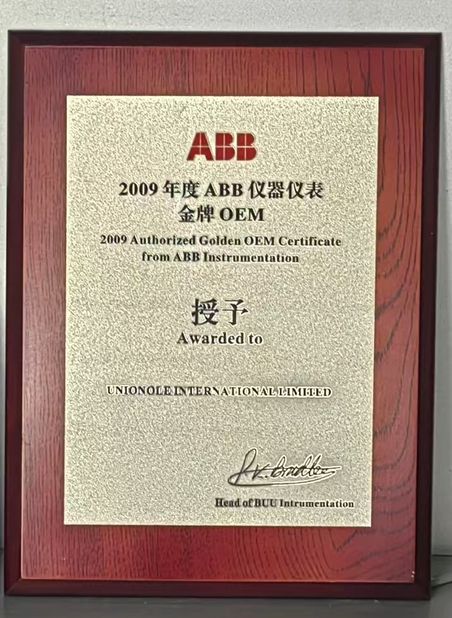
인증
중국 Achievers Automation Limited 인증
고객 검토
구매 관리자로서 저는 가격에 매우 민감합니다. 귀사의 제품은 뛰어난 품질을 놀랍도록 경쟁력 있는 가격으로 제공하여 시장에서 상당한 이점을 제공합니다. 특히 복잡한 물류 요구 사항을 처리하는 데 있어 뛰어난 전문성과 인내심을 보여주며 상품이 제때 도착하도록 보장해 준 서비스 팀에 감사드립니다.

—— Ari Wibowo 씨 - 구매 담당자

귀하의 제품 품질의 안정성과 내구성은 저희의 최우선 과제이며, 귀하의 제품은 저희의 기대를 훨씬 뛰어넘었습니다. 특히 라호르의 더운 기후에서도 훌륭한 성능을 보여줍니다. 처음에는 가격에 매료되었지만, 저희의 장기적인 파트너십을 확고하게 한 것은 귀사의 완벽한 A/S 서비스입니다. 기술적인 문제는 모두 해결됩니다.

—— Mr. Ahmed Raza-Operations Dire

귀사의 전문적인 서비스 수준은, 초기 의사 소통부터 최종 납품까지, 정말 인상적이었습니다. 그들은 리야드에서 우리 프로젝트의 긴급성을 깊이 이해하고 있었습니다. 당연히 최고 수준의 서비스는 최고 수준의 제품으로 뒷받침되어야 하며, 귀사의 제품 품질은 우리의 높은 기준을 충족하고 초과합니다. 고려할 때

—— 칼리드 씨 - 프로젝트 디렉터

제가 지금 온라인 채팅 해요
회사 뉴스
 Valve Control Systems: Technologies, Applications, and Future Trends in Industrial Automation
에 대한 최신 회사 뉴스  Valve Control Systems: Technologies, Applications, and Future Trends in Industrial Automation


Introduction to Valve Control Technology

Valve control systems are critical components in industrial automation, responsible for precisely regulating the flow, pressure, and direction of fluids (liquids, gases, or slurries) in pipelines and process systems. These systems integrate valves, actuators, positioners, and controllers to manage fluid dynamics in applications ranging from oil and gas pipelines to water treatment facilities and chemical processing plants. Modern valve control technology has evolved from simple manual operation to sophisticated automated systems incorporating digital communication protocols, sensors, and advanced control algorithms. The global valve control market continues to grow, driven by increased automation across industries, stringent regulatory requirements for safety and efficiency, and the emergence of Industry 4.0 technologies that enable smarter, more connected industrial operations .

Core Components and Operating Principles

A comprehensive valve control system consists of several integrated components that work together to achieve precise flow regulation. The valve body​ serves as the primary component that physically modulates flow through various mechanisms such as linear motion (gate, globe valves) or rotary action (ball, butterfly valves) . Actuators​ convert control signals into mechanical movement to position the valve, with pneumatic, hydraulic, and electric variants each offering distinct advantages for different applications . Positioners​ ensure the valve achieves the exact position commanded by the control system, with modern digital positioners providing feedback for closed-loop control . Controllers​ (PLCs, DCS, or dedicated single-loop controllers) execute control algorithms such as PID to maintain process variables at setpoints, while sensors​ monitor flow, pressure, and temperature parameters to provide real-time feedback . The communication between these components occurs through various industrial networks including HART, PROFIBUS, Foundation Fieldbus, and wireless protocols, enabling seamless integration with broader automation systems .

Key Application Scenarios Across Industries

Valve control systems serve critical functions across numerous industrial sectors. In the oil and gas industry, these systems manage crude oil flow in pipelines, control refining processes, and ensure safety through emergency shutdown capabilities . The chemical processing sector​ relies on corrosion-resistant control valves with precise modulating capabilities to handle aggressive media and maintain reaction parameters . Power generation facilities​ utilize high-temperature, high-pressure valve control systems for steam turbine control, feedwater regulation, and safety relief applications . Water and wastewater treatment plants​ implement valve control for flow modulation, pump protection, and chemical dosing, with particular emphasis on reliability and corrosion resistance . The pharmaceutical and food & beverage industries​ employ sanitary valve controls that meet strict hygiene standards while maintaining precise control over ingredient flows and cleaning-in-place processes . Each application presents unique challenges requiring specialized valve designs, materials, and control strategies to ensure optimal performance, safety, and compliance with industry-specific regulations .


Technological Advancements and Modern Innovations

Recent technological innovations have significantly enhanced valve control capabilities and performance. Digital positioners​ with self-calibration and diagnostic functions represent a major advancement, enabling automatic adaptation to changing conditions and predictive maintenance capabilities . IIoT-enabled smart valves​ incorporate sensors and communication capabilities to provide real-time performance data, facilitate remote monitoring, and enable integration with plant asset management systems for comprehensive lifecycle management . Advanced control algorithms​ including model predictive control (MPC) and adaptive tuning optimize valve response characteristics based on process dynamics, improving control accuracy and response times . WirelessHART and ISA100.11a​ communication capabilities eliminate wiring constraints, reduce installation costs, and enhance flexibility for valve control in remote or difficult-to-access locations . Intelligent partial stroke testing​ features allow for automated verification of safety valve functionality without taking processes offline, crucial for safety instrumented systems in hazardous processes . These innovations collectively improve reliability, reduce maintenance costs, enhance safety, and increase overall process efficiency through more precise control and comprehensive diagnostic capabilities .

Implementation Considerations and Selection Criteria

Selecting and implementing appropriate valve control systems requires careful evaluation of multiple factors. Process conditions​ including pressure, temperature, flow characteristics, and fluid properties dictate valve type, materials, and actuation method selection . Performance requirements​ for accuracy, rangeability, shut-off capability, and response speed determine the needed level of sophistication in positioners and controllers . Environmental conditions​ such as hazardous area classifications, extreme temperatures, and potential exposure to corrosive elements influence enclosure ratings and material selections . Integration requirements​ with existing control systems dictate communication protocol compatibility and interface considerations . Lifecycle costs​ encompassing initial investment, installation, maintenance, and energy consumption should be evaluated against performance benefits . Proper sizing using calculations based on flow coefficients (Cv) and characterization of installed flow characteristics ensures optimal performance across the expected operating range . Additionally, considerations for future scalability, maintenance accessibility, and spare parts availability contribute to long-term system reliability and cost-effectiveness .

Future Trends and Development Directions

Valve control technology continues to evolve along several strategic trajectories. The integration of AI and machine learning​ enables predictive maintenance algorithms that analyze valve performance data to forecast failures before they occur, significantly reducing unplanned downtime . Digital twin technology​ creates virtual replicas of physical valve systems, allowing for simulation, optimization, and troubleshooting without disrupting actual operations . Energy efficiency initiatives​ drive development of low-friction designs, efficient actuators, and control strategies that minimize energy consumption across the system lifecycle . Enhanced cybersecurity measures​ become increasingly critical as valve control systems connect to enterprise networks, requiring robust protection against potential cyber threats . Miniaturization and modular designs​ offer compact solutions for space-constrained applications while maintaining performance capabilities . The convergence of these trends points toward increasingly intelligent, connected, and efficient valve control systems that not only perform their primary control functions but also serve as data sources for broader operational optimization and business intelligence applications . As industries continue to emphasize automation, safety, and sustainability, valve control systems will play an increasingly vital role in achieving these objectives .


-Endress+Hauser

-ALLEN BRADLEY 

-YOKOGAWA 

-MTL

-P+F

-More products  


에 대한 최신 회사 뉴스  Valve Control Systems: Technologies, Applications, and Future Trends in Industrial Automation  0

Achievers Automation Limited has more than 10 years experience in the market of Industrial Automation, specialized in reselling factory sealed Probe, Sensor, DCS,isolator barrier, HMI, PLC,Adapter,Profibus connector and cable from Brands as BENTLY NEVADA, Endress+Hauser, YOKOGAWA,MTL,Allen-Bradley, Pepperl+Fuchs,Rosemount, ASCO, Schneider, Lenze, Pro-face, Mitsubishi, Omron, Lenze, Delta, Honeywell, Siemens and etc. If you have any request, please do not hesitate to contact us.


선술집 시간 : 2025-11-28 09:04:16 >> 뉴스 명부
연락처 세부 사항
Achievers Automation Limited

담당자: Ms. Caroline Chan

전화 번호: 13271919169

회사에 직접 문의 보내기 (0 / 3000)