logo
Achievers Automation Limited

성취자는 당신의 모든 욕구를 성취할 수 있게 만듭니다!

뉴스

Proximity Sensors: Operating Principles, Technology Variants, and Industrial Applications

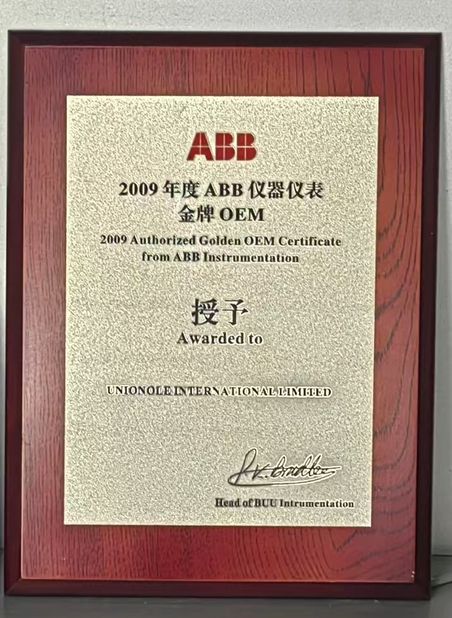
인증
중국 Achievers Automation Limited 인증
고객 검토
구매 관리자로서 저는 가격에 매우 민감합니다. 귀사의 제품은 뛰어난 품질을 놀랍도록 경쟁력 있는 가격으로 제공하여 시장에서 상당한 이점을 제공합니다. 특히 복잡한 물류 요구 사항을 처리하는 데 있어 뛰어난 전문성과 인내심을 보여주며 상품이 제때 도착하도록 보장해 준 서비스 팀에 감사드립니다.

—— Ari Wibowo 씨 - 구매 담당자

귀하의 제품 품질의 안정성과 내구성은 저희의 최우선 과제이며, 귀하의 제품은 저희의 기대를 훨씬 뛰어넘었습니다. 특히 라호르의 더운 기후에서도 훌륭한 성능을 보여줍니다. 처음에는 가격에 매료되었지만, 저희의 장기적인 파트너십을 확고하게 한 것은 귀사의 완벽한 A/S 서비스입니다. 기술적인 문제는 모두 해결됩니다.

—— Mr. Ahmed Raza-Operations Dire

귀사의 전문적인 서비스 수준은, 초기 의사 소통부터 최종 납품까지, 정말 인상적이었습니다. 그들은 리야드에서 우리 프로젝트의 긴급성을 깊이 이해하고 있었습니다. 당연히 최고 수준의 서비스는 최고 수준의 제품으로 뒷받침되어야 하며, 귀사의 제품 품질은 우리의 높은 기준을 충족하고 초과합니다. 고려할 때

—— 칼리드 씨 - 프로젝트 디렉터

제가 지금 온라인 채팅 해요
회사 뉴스
Proximity Sensors: Operating Principles, Technology Variants, and Industrial Applications
에 대한 최신 회사 뉴스 Proximity Sensors: Operating Principles, Technology Variants, and Industrial Applications


Introduction to Proximity Sensor Technology

Proximity sensors are electronic devices designed to detect the presence or absence of objects within a specific range without physical contact. These sensors operate on principles such as electromagnetic induction, capacitance variation, ultrasonic wave reflection, or photoelectric effects, converting detected changes into electrical signals for industrial control systems. Initially developed for basic presence detection, modern proximity sensors now support complex functions like distance measurement, positioning, and adaptive control in applications ranging from factory automation to consumer electronics. Their non-contact nature ensures minimal wear, high reliability, and compatibility with harsh environments involving dust, moisture, or extreme temperatures. With advancements in miniaturization, wireless connectivity, and AI integration, proximity sensors have become critical enablers of Industry 4.0, IoT ecosystems, and smart automation solutions .

Operating Principles and Sensor Variants

Proximity sensors are categorized based on their underlying detection mechanisms. Inductive sensors​ generate electromagnetic fields via oscillators and detect metallic objects by monitoring disruptions caused by eddy currents, making them ideal for industrial metal detection up to 60 mm . Capacitive sensors​ measure changes in capacitance between electrodes and nearby objects, allowing them to detect both metallic and non-metallic materials like liquids, plastics, or grains . Ultrasonic sensors​ emit sound waves and calculate distances based on echo return time, excelling in long-range detection (up to 27 meters) and challenging environments with dust or vapor . Photoelectric sensors​ use light beams (infrared or laser) and operate in through-beam, retro-reflective, or diffuse modes for high-precision object counting or positioning . Magnetic sensors​ leverage the Hall effect to detect magnetic fields, commonly used in automotive position sensing . Each technology suits specific scenarios: inductive sensors for metal detection in machinery, capacitive for level monitoring in tanks, and ultrasonic for obstacle avoidance in robotics .

Key Application Scenarios

Proximity sensors address diverse industrial needs through tailored implementations. In industrial automation, inductive sensors monitor conveyor systems, detect component placement on assembly lines, and ensure robotic arm safety by preventing collisions . Automotive systems​ rely on ultrasonic and magnetic sensors for parking assistance, gear position detection, and adaptive cruise control . Consumer electronics, such as smartphones, integrate capacitive proximity sensors to disable touchscreens during calls, reducing accidental inputs and saving power . Food and beverage processing​ uses capacitive sensors for liquid level detection in non-metallic containers, while photoelectric sensors verify packaging integrity on production lines . Healthcare and pharmaceuticals​ employ ultrasonic sensors for medical device positioning and capacitive sensors to monitor fluid levels in sterile environments . Emerging applications include smart infrastructure, where sensors enable touchless elevator controls, and agriculture, for granular level monitoring in silos .


Technical Innovations and Future Trends

Recent advancements focus on enhancing accuracy, integration, and adaptability. AI-driven sensors now incorporate self-calibration algorithms to compensate for environmental variables like temperature or humidity, reducing false triggers in dynamic conditions . Miniaturization trends allow sub-millimeter sensors for wearable devices and micro-robotics, while wireless protocols like IO-Link and Bluetooth Low Energy enable real-time data exchange with IoT platforms . Multi-modal sensors combining proximity, temperature, and vibration sensing in single units simplify Industry 4.0 deployments, providing comprehensive machine health data for predictive maintenance . Future developments aim to improve material compatibility for low-dielectric substances (e.g., foams or powders) and extend detection ranges beyond 30 meters for large-scale logistics automation . Energy-efficient designs powered by energy harvesting techniques further expand applications in remote or mobile systems .

Selection Criteria and Implementation Guidelines

Choosing the right proximity sensor requires evaluating object properties, environmental conditions, and performance needs. For metal detection in volatile industrial settings, inductive sensors with IP67/IP68 ratings resist contaminants and electromagnetic interference . Capacitive sensors suit level monitoring of non-metallic materials but require calibration to avoid false triggers from moisture or dust . Ultrasonic sensors excel in long-range outdoor applications but need protection from air turbulence . Key parameters include sensing distance (0–27 meters), response time (microseconds to milliseconds), and output type (analog 4–20 mA, digital IO-Link) . Installation best practices involve aligning sensors perpendicular to targets, minimizing vibration, and using shielded cables in electrically noisy environments. Regular maintenance ensures longevity, with self-diagnostic features in smart sensors alerting users to calibration drift or contamination .


선술집 시간 : 2025-11-27 09:16:24 >> 뉴스 명부
연락처 세부 사항
Achievers Automation Limited

담당자: Ms. Caroline Chan

전화 번호: 13271919169

회사에 직접 문의 보내기 (0 / 3000)