logo
Achievers Automation Limited

성취자는 당신의 모든 욕구를 성취할 수 있게 만듭니다!

뉴스

​ Pressure Transmitters: Principles, Applications, and Implementation in Industrial Automation

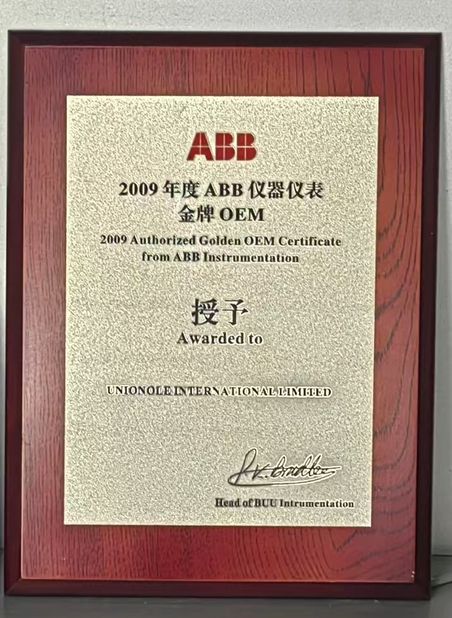
인증
중국 Achievers Automation Limited 인증
고객 검토
구매 관리자로서 저는 가격에 매우 민감합니다. 귀사의 제품은 뛰어난 품질을 놀랍도록 경쟁력 있는 가격으로 제공하여 시장에서 상당한 이점을 제공합니다. 특히 복잡한 물류 요구 사항을 처리하는 데 있어 뛰어난 전문성과 인내심을 보여주며 상품이 제때 도착하도록 보장해 준 서비스 팀에 감사드립니다.

—— Ari Wibowo 씨 - 구매 담당자

귀하의 제품 품질의 안정성과 내구성은 저희의 최우선 과제이며, 귀하의 제품은 저희의 기대를 훨씬 뛰어넘었습니다. 특히 라호르의 더운 기후에서도 훌륭한 성능을 보여줍니다. 처음에는 가격에 매료되었지만, 저희의 장기적인 파트너십을 확고하게 한 것은 귀사의 완벽한 A/S 서비스입니다. 기술적인 문제는 모두 해결됩니다.

—— Mr. Ahmed Raza-Operations Dire

귀사의 전문적인 서비스 수준은, 초기 의사 소통부터 최종 납품까지, 정말 인상적이었습니다. 그들은 리야드에서 우리 프로젝트의 긴급성을 깊이 이해하고 있었습니다. 당연히 최고 수준의 서비스는 최고 수준의 제품으로 뒷받침되어야 하며, 귀사의 제품 품질은 우리의 높은 기준을 충족하고 초과합니다. 고려할 때

—— 칼리드 씨 - 프로젝트 디렉터

제가 지금 온라인 채팅 해요
회사 뉴스
​ Pressure Transmitters: Principles, Applications, and Implementation in Industrial Automation
에 대한 최신 회사 뉴스 ​ Pressure Transmitters: Principles, Applications, and Implementation in Industrial Automation


Introduction to Pressure Transmitter Technology

Pressure transmitters are essential instruments in industrial automation, converting physical pressure parameters of gases and liquids into standardized electrical signals for measurement, indication, and process regulation. These devices play a critical role in maintaining system safety, efficiency, and product quality across diverse industries including oil and gas, chemical processing, pharmaceuticals, and water treatment. Modern pressure transmitters achieve accuracies up to ±0.15% FS and offer advanced features such as digital communication protocols, temperature compensation, and self-diagnostics. The global pressure transmitter market continues to expand, driven by increasing demands for precision measurement, process optimization, and compliance with international standards. Their ability to provide reliable pressure data in real-time makes them indispensable components in automated control systems and Industry 4.0 implementations .

Operating Principles and Measurement Mechanisms

Pressure transmitters operate on fundamental physical principles to convert pressure into measurable electrical signals. The core components include a pressure sensor, signal processing unit, and output interface. Piezoresistive pressure transmitters utilize strain gauges bonded to a mechanical strain matrix—when pressure deforms the substrate, the resistance of the strain gauges changes proportionally, creating a voltage signal that is amplified and converted into standard outputs like 4-20 mA or 0-10 V . Capacitive pressure transmitters employ a different approach, where pressure applied to a diaphragm changes the distance between capacitor plates, altering capacitance and generating an electrical signal proportional to pressure. Advanced technologies like silicone-on-sapphire (SoS) sensors offer exceptional mechanical and temperature stability, while oil-filled stainless steel measuring cells provide protection against external mechanical stress for demanding applications . Modern transmitters incorporate microprocessors for digital signal processing, temperature compensation, and advanced diagnostics, ensuring accurate measurements across varying environmental conditions .

Key Application Scenarios Across Industries

Pressure transmitters address critical measurement needs in numerous industrial sectors. In the oil and gas industry, they monitor pipeline pressures, wellhead operations, and refining processes, with accuracy requirements as high as ±0.075% FS for custody transfer applications . The chemical processing sector​ relies on pressure transmitters for reactor control, distillation columns, and storage tank monitoring, where materials like Hastelloy C276 or titanium ensure compatibility with corrosive media . Pharmaceutical and food industries​ utilize sanitary designs with clean-in-place (CIP) compatibility for sterile processing, while water and wastewater treatment plants​ employ these instruments for filtration system monitoring and pump control . Emerging applications include renewable energy systems​ for biogas production monitoring and aerospace​ for fuel system and altitude pressure measurement . Each application requires specific considerations regarding pressure range, material compatibility, and environmental conditions to ensure optimal performance and longevity .


Advantages Over Alternative Pressure Measurement Technologies

Pressure transmitters offer distinct advantages that explain their widespread adoption. The primary benefit is direct electrical signal output, enabling seamless integration with control systems and eliminating the need for manual reading or interpretation . They provide high accuracy​ (±0.1% to ±0.5% FS) and excellent repeatability​ (±0.03% FS), making them suitable for critical applications where precision is paramount . Modern transmitters feature digital communication protocols​ like HART, PROFIBUS, and Foundation Fieldbus, allowing remote configuration, diagnostics, and data logging capabilities . Their robust construction​ with materials like 316 stainless steel, Hastelloy, or titanium ensures reliable operation in harsh environments, while temperature compensation​ mechanisms maintain accuracy across wide operating ranges (-40°C to +125°C) . Additionally, pressure transmitters offer long-term stability​ (±0.1% to ±0.25% FS/year), reducing calibration frequency and maintenance costs over their operational lifespan .

Implementation Considerations and Selection Criteria

Selecting the appropriate pressure transmitter requires careful evaluation of application parameters. Pressure range​ should be selected at approximately 1.5 times the maximum working pressure to accommodate spikes and fluctuations while maintaining accuracy . Media compatibility​ determines material selection—stainless steel for general applications, Hastelloy for corrosive chemicals, and gold-plated diaphragms for ultra-pure liquids . Accuracy requirements​ vary by application, with custody transfer demanding ±0.1% or better, while general process control may tolerate ±0.5% . Output signal type​ depends on system integration needs—4-20 mA for standard industrial applications, digital protocols for smart systems, and voltage outputs for short-distance connections . Environmental factors including temperature extremes, humidity, and hazardous area classifications​ (ATEX, IECEx) must align with transmitter specifications . Proper installation orientation, mounting position, and process connections​ (threads, flanges, hygienic fittings) ensure optimal performance and ease of maintenance . Regular calibration verification​ and zero checks​ maintain long-term accuracy, with advanced diagnostics alerting users to performance degradation or coating buildup .

Future Trends and Technological Developments

Pressure transmitter technology continues to evolve with several significant trends shaping future developments. Wireless technology​ eliminates the need for complex wiring, enabling remote monitoring in hazardous or inaccessible locations through protocols like WirelessHART . Smart transmitters​ with embedded microprocessors offer advanced diagnostics, self-calibration capabilities, and predictive maintenance features, reducing downtime and maintenance costs . Miniaturization​ through MEMS (Micro-Electro-Mechanical Systems) technology produces compact, energy-efficient sensors suitable for space-constrained applications . IoT integration​ enables real-time data analytics, cloud-based monitoring, and predictive maintenance through digital platforms . Multi-variable measurement​ capabilities allow single devices to measure pressure, temperature, and flow simultaneously, reducing system complexity and installation costs . Sustainability initiatives​ drive low-power designs using energy-efficient communication protocols and recyclable materials, aligning with global environmental goals . These advancements will further embed pressure transmitters in smart manufacturing ecosystems, enhancing their role in automated and sustainable industrial operations .


-Endress+Hauser

-ALLEN BRADLEY 

-YOKOGAWA 

-MTL

-P+F

-More products  


에 대한 최신 회사 뉴스 ​ Pressure Transmitters: Principles, Applications, and Implementation in Industrial Automation  0

Achievers Automation Limited has more than 10 years experience in the market of Industrial Automation, specialized in reselling factory sealed Probe, Sensor, DCS,isolator barrier, HMI, PLC,Adapter,Profibus connector and cable from Brands as BENTLY NEVADA, Endress+Hauser, YOKOGAWA,MTL,Allen-Bradley, Pepperl+Fuchs,Rosemount, ASCO, Schneider, Lenze, Pro-face, Mitsubishi, Omron, Lenze, Delta, Honeywell, Siemens and etc. If you have any request, please do not hesitate to contact us.


선술집 시간 : 2025-12-05 17:26:46 >> 뉴스 명부
연락처 세부 사항
Achievers Automation Limited

담당자: Ms. Caroline Chan

전화 번호: 13271919169

회사에 직접 문의 보내기 (0 / 3000)