logo
Achievers Automation Limited

성취자는 당신의 모든 욕구를 성취할 수 있게 만듭니다!

뉴스

Control Systems: The Core Backbone of Modern Industrial Automation

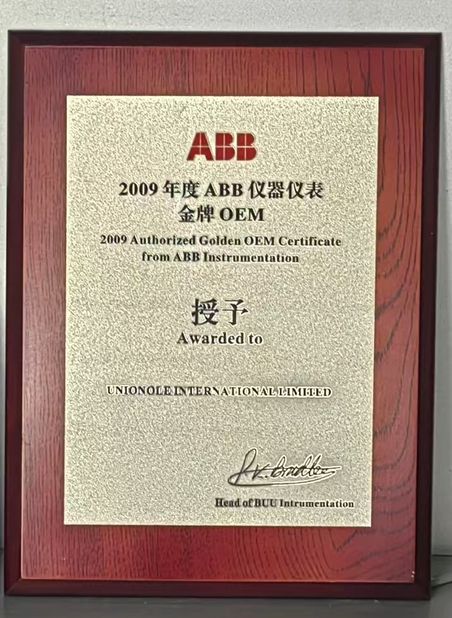
인증
중국 Achievers Automation Limited 인증
고객 검토
구매 관리자로서 저는 가격에 매우 민감합니다. 귀사의 제품은 뛰어난 품질을 놀랍도록 경쟁력 있는 가격으로 제공하여 시장에서 상당한 이점을 제공합니다. 특히 복잡한 물류 요구 사항을 처리하는 데 있어 뛰어난 전문성과 인내심을 보여주며 상품이 제때 도착하도록 보장해 준 서비스 팀에 감사드립니다.

—— Ari Wibowo 씨 - 구매 담당자

귀하의 제품 품질의 안정성과 내구성은 저희의 최우선 과제이며, 귀하의 제품은 저희의 기대를 훨씬 뛰어넘었습니다. 특히 라호르의 더운 기후에서도 훌륭한 성능을 보여줍니다. 처음에는 가격에 매료되었지만, 저희의 장기적인 파트너십을 확고하게 한 것은 귀사의 완벽한 A/S 서비스입니다. 기술적인 문제는 모두 해결됩니다.

—— Mr. Ahmed Raza-Operations Dire

귀사의 전문적인 서비스 수준은, 초기 의사 소통부터 최종 납품까지, 정말 인상적이었습니다. 그들은 리야드에서 우리 프로젝트의 긴급성을 깊이 이해하고 있었습니다. 당연히 최고 수준의 서비스는 최고 수준의 제품으로 뒷받침되어야 하며, 귀사의 제품 품질은 우리의 높은 기준을 충족하고 초과합니다. 고려할 때

—— 칼리드 씨 - 프로젝트 디렉터

제가 지금 온라인 채팅 해요
회사 뉴스
Control Systems: The Core Backbone of Modern Industrial Automation
에 대한 최신 회사 뉴스 Control Systems: The Core Backbone of Modern Industrial Automation

Control Systems: The Core Backbone of Modern Industrial Automation


What Are Control Systems and Their Industrial Significance

Control systems are the essential technical framework that drives modern industrial automation and ensures the stable operation of critical infrastructure. These systems consist of interconnected functional units that monitor, regulate, and manage industrial processes to maintain desired operational parameters. In industrial settings, control systems act as the "neural center," converting input signals into precise operational commands to coordinate the work of various mechanical and electrical components. From manufacturing assembly lines to energy supply networks, their presence ensures operational efficiency, process stability, and product consistency, laying the foundation for the digital transformation of the industrial sector.

Key Components and Working Principles of Control Systems

A typical industrial control system comprises core components such as reference input modules, comparators, controllers, actuators, controlled objects, and sensor feedback devices. The reference input sets the target operational parameters, while comparators analyze the deviation between expected and actual outputs. Controllers, the "decision-making hub" of the system, generate adjustment commands based on deviation signals using control algorithms like PID. Actuators convert these commands into physical actions, and sensors continuously collect real-time data to form a closed-loop adjustment mechanism. This collaborative workflow enables control systems to automatically correct deviations, ensuring stable operation even under external disturbances, which is crucial for harsh industrial environments.

Common Types of Industrial Control Systems

Industrial control systems cover a variety of architectural types to adapt to different application scenarios, mainly including SCADA, DCS, and PLC systems. SCADA systems focus on remote monitoring and scheduling of large-scale geographically distributed facilities, such as cross-regional power grids and oil pipelines. DCS systems excel in closed-loop control of continuous production processes in the process industry, like chemical reaction kettles and power plant boilers. PLCs, as basic control units, are widely used in discrete manufacturing for sequential control, such as automotive assembly lines. Although these types differ in application scope and structural design, they all adhere to the core logic of control systems to achieve automated management of industrial processes.

The Evolving Trend of Control Systems in Industrial 4.0

With the advancement of Industry 4.0, modern control systems are evolving toward intelligence, openness, and networking. The integration of AI algorithms enables self-learning and self-optimization of control strategies, while open architectures realize hardware-software decoupling and modular configuration. High-speed industrial Ethernet and IoT technologies connect control systems to cloud and edge computing platforms, breaking down barriers between OT and IT systems. This evolution not only enhances the precision and efficiency of control systems but also provides strong support for the construction of smart factories and digital twins. For industrial enterprises, understanding this development trend is key to grasping the direction of technological upgrading.

The Role of Control Systems in Ensuring Industrial Safety and Reliability

Reliable control systems are critical to ensuring industrial operational safety. Redundant designs in modern control systems, such as dual controllers and dual-network configurations, minimize downtime risks in critical processes. Meanwhile, real-time monitoring and fault diagnosis functions enable early detection of potential issues, facilitating predictive maintenance. In high-risk industries like energy and chemicals, control systems' safety mechanisms prevent accidents by quickly triggering interlock protection. As the core of industrial safety management, control systems not only safeguard production assets but also protect the working environment of employees, reflecting their irreplaceable value in industrial operations.


-Endress+Hauser

-ALLEN BRADLEY 

-YOKOGAWA 

-MTL

-P+F

-More products  


에 대한 최신 회사 뉴스 Control Systems: The Core Backbone of Modern Industrial Automation  0

Achievers Automation Limited has more than 14 years experience in the market of Industrial Automation, specialized in reselling factory sealed Probe, Sensor, DCS,isolator barrier, HMI, PLC,Adapter,Profibus connector and cable from Brands as BENTLY NEVADA, Endress+Hauser, YOKOGAWA,MTL,Allen-Bradley, Pepperl+Fuchs,Rosemount, ASCO, Schneider, Lenze, Pro-face, Mitsubishi, Omron, Lenze, Delta, Honeywell, Siemens and etc. If you have any request, please do not hesitate to contact us.
선술집 시간 : 2026-01-15 16:05:08 >> 뉴스 명부
연락처 세부 사항
Achievers Automation Limited

담당자: Ms. Caroline Chan

전화 번호: 13271919169

회사에 직접 문의 보내기 (0 / 3000)