logo
Achievers Automation Limited

성취자는 당신의 모든 욕구를 성취할 수 있게 만듭니다!

뉴스

Conductivity Sensor: Industrial Solution for Liquid Conductivity Measurement

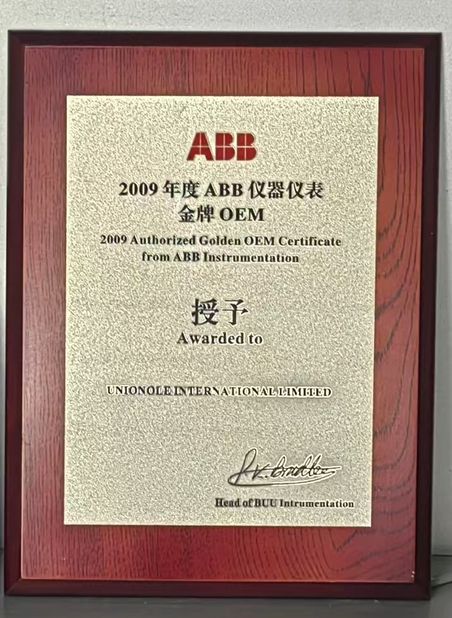
인증
중국 Achievers Automation Limited 인증
고객 검토
구매 관리자로서 저는 가격에 매우 민감합니다. 귀사의 제품은 뛰어난 품질을 놀랍도록 경쟁력 있는 가격으로 제공하여 시장에서 상당한 이점을 제공합니다. 특히 복잡한 물류 요구 사항을 처리하는 데 있어 뛰어난 전문성과 인내심을 보여주며 상품이 제때 도착하도록 보장해 준 서비스 팀에 감사드립니다.

—— Ari Wibowo 씨 - 구매 담당자

귀하의 제품 품질의 안정성과 내구성은 저희의 최우선 과제이며, 귀하의 제품은 저희의 기대를 훨씬 뛰어넘었습니다. 특히 라호르의 더운 기후에서도 훌륭한 성능을 보여줍니다. 처음에는 가격에 매료되었지만, 저희의 장기적인 파트너십을 확고하게 한 것은 귀사의 완벽한 A/S 서비스입니다. 기술적인 문제는 모두 해결됩니다.

—— Mr. Ahmed Raza-Operations Dire

귀사의 전문적인 서비스 수준은, 초기 의사 소통부터 최종 납품까지, 정말 인상적이었습니다. 그들은 리야드에서 우리 프로젝트의 긴급성을 깊이 이해하고 있었습니다. 당연히 최고 수준의 서비스는 최고 수준의 제품으로 뒷받침되어야 하며, 귀사의 제품 품질은 우리의 높은 기준을 충족하고 초과합니다. 고려할 때

—— 칼리드 씨 - 프로젝트 디렉터

제가 지금 온라인 채팅 해요
회사 뉴스
Conductivity Sensor: Industrial Solution for Liquid Conductivity Measurement
에 대한 최신 회사 뉴스 Conductivity Sensor: Industrial Solution for Liquid Conductivity Measurement

Conductivity Sensor: Industrial Solution for Liquid Conductivity Measurement


Conductivity Sensor: Core Principles of Industrial Liquid Analysis

A conductivity sensor is an essential electrochemical device designed to measure the electrical conductivity of liquids, reflecting the ion concentration and purity of the medium. Widely applied in industrial processes, it operates based on the principle that dissolved ions in liquids conduct electricity—with higher ion activity corresponding to higher conductivity readings. This technology provides real-time, reliable data for process control, enabling industries to maintain consistent liquid quality and comply with operational standards, serving as a cornerstone of industrial automation systems.

Conductivity Sensor: Main Technical Types and Working Mechanisms

Three primary types of conductivity sensor dominate industrial applications: electrode-type, inductive-type, and ultrasonic-type. Electrode-type sensors use resistance measurement via direct contact with the liquid, suitable for general-purpose scenarios. Inductive-type (non-contact) sensors generate alternating electromagnetic fields to induce current in the liquid, avoiding electrode contamination and ideal for corrosive media. Ultrasonic variants detect conductivity via sound wave changes, though less common. Electrode and inductive types are widely adopted for their stability and adaptability to diverse industrial conditions.

Conductivity Sensor: Adaptability to Harsh Industrial Environments

Industrial-grade conductivity sensor boasts robust performance in extreme operating conditions. High-end models withstand temperatures up to 252°C and pressures of 41.4 bar, suitable for boiler and steam sterilization processes. Constructed with 316 stainless steel, PEEK, and high-temperature fluororubber, they resist corrosion and contamination. IP-rated enclosures and electromagnetic interference shielding ensure reliable operation in dusty, humid, or high-voltage industrial settings, meeting ATEX and food safety standards for hazardous and hygienic applications.

Conductivity Sensor: Cross-Industry Application Scenarios

The versatility of conductivity sensor makes it indispensable across sectors. In water treatment, it monitors sewage purity and reagent concentrations. Petrochemical plants use it to detect electrolyte levels in solutions, while pharmaceutical facilities rely on hygienic models for sterile water testing. Food and beverage industries apply it to control syrup concentration and beverage purity. Power plants deploy it for boiler water quality monitoring to prevent corrosion and scaling, highlighting its role in ensuring process safety and efficiency.

Conductivity Sensor: Advantages Over Traditional Liquid Analysis Tools

Compared to traditional testing methods, conductivity sensor offers distinct benefits. Non-contact inductive models eliminate electrode wear and contamination risks, reducing maintenance needs. They provide real-time continuous monitoring, unlike manual sampling which is time-consuming and intermittent. Wide measurement ranges (2μS/cm to 2000mS/cm) cover ultra-pure water to high-concentration electrolytes. With automatic temperature compensation (ATC), they maintain accuracy despite temperature fluctuations, outperforming static testing tools in dynamic industrial processes.

Conductivity Sensor: Installation and Maintenance Guidelines

Proper installation optimizes conductivity sensor performance. Common mounting methods include immersion, in-line, and flow cell types, with 3/4" NPT threads for easy integration. Installations should avoid strong electromagnetic sources and turbulent flow to prevent interference. Routine maintenance involves cleaning sensor surfaces, verifying electrode constants, and checking cable integrity. Calibration with standard solutions ensures measurement accuracy, while sealed cable connections prevent moisture ingress in harsh environments.

Conductivity Sensor: Future Trends in Industrial Digitization

As Industry 4.0 advances, conductivity sensor integrates IoT capabilities for remote monitoring and predictive maintenance. Smart models feature self-diagnostic functions to alert operators of faults, minimizing downtime. Miniaturized designs expand applications in compact equipment, while enhanced data integration with control systems enables seamless process automation. These innovations solidify the conductivity sensor’s role as a critical component in data-driven industrial operations, supporting efficient and intelligent production.

Radar Level Transmitter: Core Principles for Industrial Level Sensing

A radar level transmitter is a pivotal non-contact measurement device widely adopted in industrial processes to monitor liquid, solid, or slurry levels in tanks, silos, and vessels. Based on the time-of-flight principle, it emits low-power microwave pulses that reflect off the material surface, with the reflected echo processed to calculate accurate level data. This technology eliminates the limitations of contact-type sensors, ensuring stable performance regardless of medium properties, temperature, or pressure fluctuations—laying the foundation for reliable industrial automation.

Radar Level Transmitter: Key Technical Types and Working Mechanisms

Two primary technical variants dominate radar level transmitter applications: pulse-type (TDR) and frequency-modulated continuous wave (FMCW). Pulse-type transmitters emit discrete microwave pulses, ideal for general industrial scenarios due to low power consumption and easy installation. FMCW models, by contrast, use linearly varying frequencies, delivering millimetric precision for high-demand tasks like trade交接. Both types leverage advanced signal processing algorithms to suppress false echoes from tank obstacles, ensuring data integrity in complex environments.

Radar Level Transmitter: Adaptability to Harsh Industrial Conditions

A defining advantage of the radar level transmitter is its robust performance in extreme industrial工况. It operates seamlessly in temperatures ranging from -40°C to 350°C and pressures up to 100 bar, with IP67/IP68 protection ratings resisting dust, moisture, and corrosion. For hazardous areas like petrochemical plants, explosion-proof certified units comply with ATEX and SIL standards, while specialized antennas (PTFE, ceramic) prevent adhesion and signal attenuation in viscous or dusty media, ensuring long-term reliability.

Radar Level Transmitter: Cross-Industry Application Landscapes

The versatility of the radar level transmitter makes it indispensable across industries. In petrochemical facilities, it monitors crude oil and chemical storage tanks with high precision. Pharmaceutical plants use卫生-grade models to measure sterile药液, adhering to FDA standards. Water treatment plants rely on it for sewage and reagent tank level control, while cement and power industries deploy it for bulk solid silos. Its non-contact design eliminates contamination risks, aligning with strict industrial safety protocols.

Radar Level Transmitter: Technical Advantages Over Traditional Sensors

Compared to float, ultrasonic, or pressure sensors, a radar level transmitter offers unparalleled advantages. It is unaffected by medium density, viscosity, or foam, avoiding calibration frequency. The non-contact operation reduces maintenance needs and eliminates wear, extending service life. Advanced echo processing technology filters environmental interference, ensuring consistent accuracy even with stirring equipment or steam. These benefits make it a cornerstone of smart factory digitalization.

Radar Level Transmitter: Installation and Calibration Best Practices

Proper installation maximizes radar level transmitter performance. Mounting should avoid feed inlets and tank walls to prevent false echoes, with antenna alignment perpendicular to the material surface. Calibration involves setting empty-tank reference points and configuring echo suppression parameters via HART or PROFINET communication. Routine maintenance focuses on antenna cleaning and firmware updates, ensuring the device retains precision over extended operational cycles in harsh industrial settings.

Radar Level Transmitter: Future Trends in Industrial Automation

The radar level transmitter is evolving with industrial 4.0, integrating IoT connectivity for remote monitoring and predictive maintenance. Smart models now feature self-diagnostic capabilities, alerting operators to potential faults before system disruption. Miniaturized designs and enhanced energy efficiency expand applications in compact equipment. As industries prioritize data-driven operations, the radar level transmitter remains a critical component, bridging measurement accuracy with intelligent process integration.


-Endress+Hauser

-ALLEN BRADLEY 

-YOKOGAWA 

-MTL

-P+F

-More products  


에 대한 최신 회사 뉴스 Conductivity Sensor: Industrial Solution for Liquid Conductivity Measurement  0

Achievers Automation Limited has more than 14 years experience in the market of Industrial Automation, specialized in reselling factory sealed Probe, Sensor, DCS,isolator barrier, HMI, PLC,Adapter,Profibus connector and cable from Brands as BENTLY NEVADA, Endress+Hauser, YOKOGAWA,MTL,Allen-Bradley, Pepperl+Fuchs,Rosemount, ASCO, Schneider, Lenze, Pro-face, Mitsubishi, Omron, Lenze, Delta, Honeywell, Siemens and etc. If you have any request, please do not hesitate to contact us.
선술집 시간 : 2026-01-16 15:08:55 >> 뉴스 명부
연락처 세부 사항
Achievers Automation Limited

담당자: Ms. Caroline Chan

전화 번호: 13271919169

회사에 직접 문의 보내기 (0 / 3000)